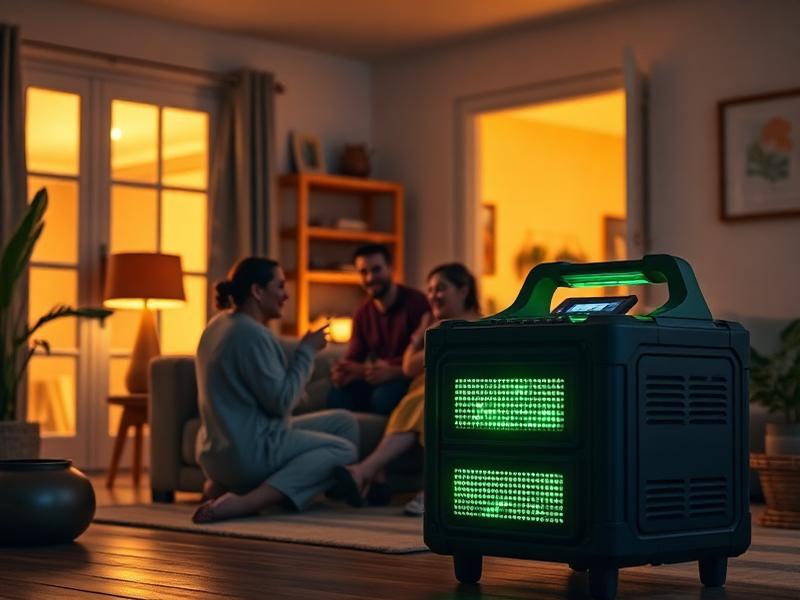
Power outages in the US used to feel like a once-in-a-blue-moon annoyance. Now they happen often enough that people plan around them. Or they should.
When power drops, it's rarely "lights out and that's it." It's the fridge warming up, the router going dead, phones draining, and that nagging feeling of being stuck. A portable power station can take the edge off fast. Quiet. Indoor-safe. No petrol smell hanging around the kitchen.
This page is for US homeowners and renters who want portable backup power that works in real life. Not a fantasy "run the whole house" setup. Just something sensible for essentials during a power cut.
What a 2,000Wh Power Station Can Run
Estimated runtime on a single charge - your essentials covered
Based on 85% inverter efficiency · Running one device at a time
US home backup power is a bit different
American homes often pull more electricity than people realise. Bigger fridges. More gadgets. More stuff plugged in all the time. Then there's heating and cooling. That's where smaller units get exposed quickly.
Outage length varies too. In some areas it's a short dip. In others it can drag on for hours, sometimes days, especially after storms or extreme heat. So choosing a portable power station for home backup comes down to two things: what you need to keep running, and how long you need it. Simple. Not easy, but simple.
What to look for in a portable power station for home backup
Battery capacity (Wh)
Capacity affects runtime. It does not tell you what the unit can power, just how long it can keep going. For US home backup, anything under 1,000Wh is usually too small unless you're only charging phones and maybe running a router for a bit. If you want to keep essentials running, 2,000Wh or more is a more realistic starting point.
Continuous output (W)
This is the bit that trips people up. A unit can have a big battery and still struggle with home appliances if the inverter output is too low. Look at continuous output, not peak marketing numbers. For home backup, 2,000W+ continuous output is a sensible baseline.
Can it run essential appliances?
For most homes, "backup power" means:
- Fridge or freezer (including startup surge)
- Lights
- Wi-Fi router
- Phone charging and laptops
If it can cover that comfortably, you're already ahead of most people.
Solar charging compatibility
Lots of people search for "solar generator." Most of the time, they mean a power station that supports solar panel charging. Solar is not mandatory, but it can be genuinely useful during longer outages. Even modest solar input can extend runtime during daylight and keep things ticking over.
Just don't expect miracles in poor light or winter conditions. Solar helps. It doesn't magically refill a big battery in an hour.
Indoor safety (vs gas generators)
Portable power stations are designed for indoor use. No fumes. No fuel storage. No noise beyond a low fan when it's working. That's why so many people choose them over gas generators for basic home backup.
Recommended portable power stations for US home backup 2026
These are popular, capable options that come up again and again when people compare backup power stations for US homes.
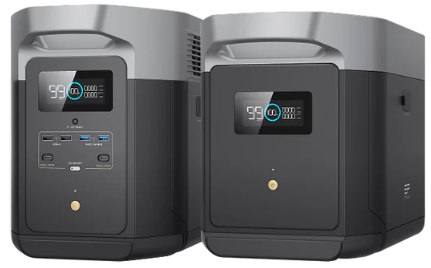
EcoFlow DELTA 2 Max
A strong all-rounder for home backup. Good balance of capacity, output, and charging speed. For most households, this sits in the sweet spot.
See full review & price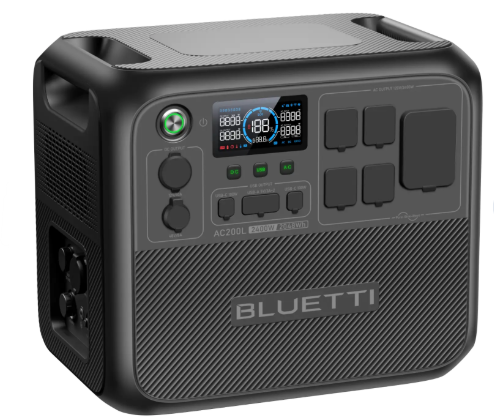
BLUETTI AC200L
A practical home backup option, especially if you like the idea of pairing with solar over time. Solid performance, sensible positioning, and a good fit for longer runtimes.
See full review & price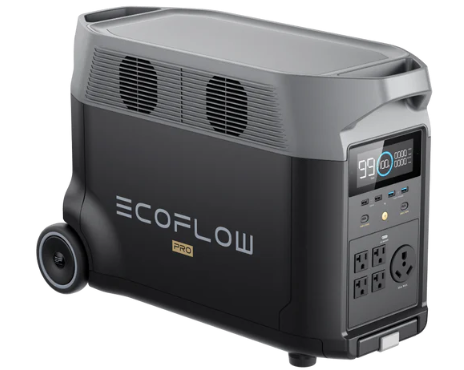
EcoFlow DELTA Pro
Bigger and more serious. More capacity, more output, and very fast recharge. Not for everyone, but if outages are frequent where you live, the extra headroom can be worth it.
See full review & priceIf you want the side-by-side breakdown, head to the reviews page.
What size portable power station do I need for a power outage?
This isn't really about the size of your home. It's about your "must haves."
Apartments and small homes
Around 1,500 to 2,000Wh is often enough for essentials.
Medium to large homes
2,000 to 3,500Wh gives more breathing room, especially if you expect longer outages.
Essentials-only setups
Fridge + lights + Wi-Fi + charging is a realistic target. It's also what most people actually do in practice.
Trying to power everything at once is where disappointment starts. These systems work best when you're selective.
If you want a simple way to size it properly, start with the Portable Power Buyer's Guide.
When a portable power station makes sense (and when it doesn't)
Great fit if you want:
- • Indoor-safe backup power
- • Quiet operation
- • Something you can use at home and also take travelling
- • Optional solar charging for longer outages
Not a great fit if you need:
- • Whole-house backup
- • Central AC for long periods
- • Automatic switchover without any manual setup
This is where people waste money. They buy the wrong tool for the job, then blame the tool.
Quick FAQs
Can a portable power station run a refrigerator?
Often, yes. The unit needs enough continuous output and enough headroom to handle the fridge startup surge. Many home-backup focused models are built for this.
Are portable power stations safe to use indoors?
Generally yes. They don't produce fumes like gas generators. Keep the unit dry, allow some airflow, and follow the manufacturer's guidance.
Is a "solar generator" different from a portable power station?
Most of the time, no. "Solar generator" is usually just a label for a power station that can charge from solar panels.
"We lost $600 in food during a 14-hour outage last winter. Bought a DELTA 2 Max the next week. It's already paid for itself twice over."
- Texas homeowner, Winter Storm
The Next Outage Will Cost You More Than a Power Station
At 2.5 outages/year, doing nothing costs an average family $6,250+ over 5 years. A $1,200 power station pays for itself and keeps paying for a decade.