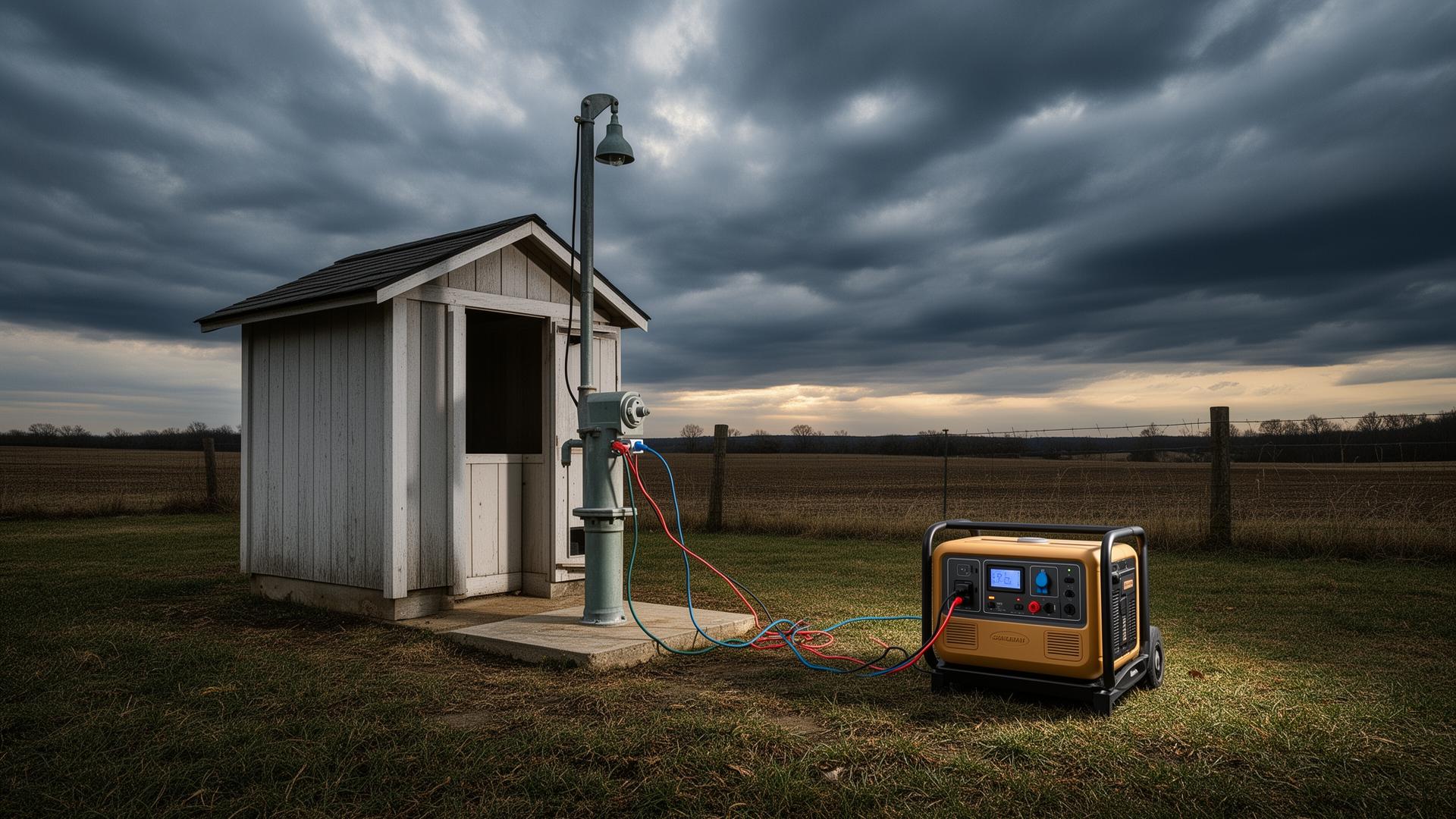
No water is worse than no power. If you're on a private well, a power outage means no toilet, no shower, no drinking water. A portable power station can keep your well pump running — but only if you match it correctly.
This guide covers which pumps work, how long you can run them, and smart strategies to stretch your battery life for days instead of hours.
The Quick Answer
Can a portable power station run your well pump?
Yes
Shallow jet pumps, 1/2 HP & 3/4 HP submersible
Most residential wellsMaybe
1 HP submersible
Needs high-output station + soft starterNo
1.5 HP+ submersible
Requires generatorWell Pump Compatibility Chart
Every pump type at a glance — running watts, surge, and whether a portable station can handle it.
Shallow Jet Pump
Surface-mounted, draws from shallow wells • Depth: 0–25 ft
Deep Jet Pump
Surface-mounted with dual pipe system • Depth: 25–100 ft
1/2 HP Submersible
Most common residential submersible • Depth: 50–150 ft
3/4 HP Submersible
Mid-range residential wells • Depth: 100–200 ft
1 HP Submersible
Deep wells — needs high-output station • Depth: 150–300 ft
1.5 HP Submersible
Very deep wells — exceeds most stations • Depth: 200–400 ft
2 HP+ Submersible
Commercial-grade — requires generator • Depth: 300+ ft
Why Startup Surge Matters
Well pumps use electric motors that draw 2–3× their running power during the first 1–3 seconds. Your power station must handle this spike.
The Surge
A 750W pump can spike to 2,250W on startup. If your station can't deliver, it'll shut off immediately.
2–3× running wattsJust 1–3 Seconds
The surge only lasts a few seconds as the motor spins up. After that, power drops to the steady running level.
1–3 sec durationSoft Starter Fix
A $50–150 soft starter module smooths the surge, cutting it by 50–70%. Game-changer for borderline setups.
50–70% reductionWell Pump Runtime Calculator
See how long you can run your pump — and how much water you'll get
✓ This pump works with most portable stations
Your station needs 2,250W surge capacity to start this pump. Check your station's peak/surge rating.
Runtime Estimates by Battery Size
How long each battery size runs common well pumps (85% inverter efficiency).
| Battery Size | Jet Pump | Deep Jet Pump | 1/2 HP | 3/4 HP | 1 HP |
|---|---|---|---|---|---|
| 1,000 Wh | 1.7 hrs | 1.1 hrs | 1.1 hrs | 0.9 hrs | 0.7 hrs |
| 2,000 Wh | 3.4 hrs | 2.1 hrs | 2.3 hrs | 1.7 hrs | 1.4 hrs |
| 3,000 Wh | 5.1 hrs | 3.2 hrs | 3.4 hrs | 2.6 hrs | 2.1 hrs |
| 5,000 Wh | 8.5 hrs | 5.3 hrs | 5.7 hrs | 4.3 hrs | 3.5 hrs |
How Much Water Do You Actually Need?
The average US household uses 80–100 gallons/day. During an outage, you can cut that to 10–15 gallons with smart prioritization.
Flush toilet
per flush
Wash hands
per wash
Drink / cook
per person/day
Shower (5 min)
per shower
Dishwasher cycle
per load
Washing machine
per load
Pro tip: With essentials only (drinking, cooking, toilet flushing), a family of 4 needs just 10–15 gallons/day. That's about 1–2 minutes of pump runtime.
Recommended Power Stations for Well Pumps
These models can handle most residential well pump surges.
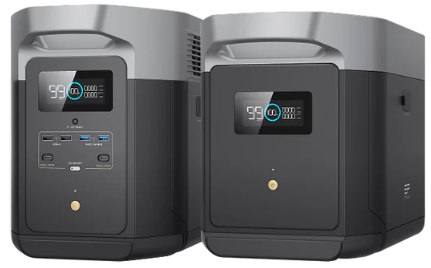
EcoFlow DELTA 2 Max
2,048Wh • Surge: 4,800W
Best for 1/2 HP pumps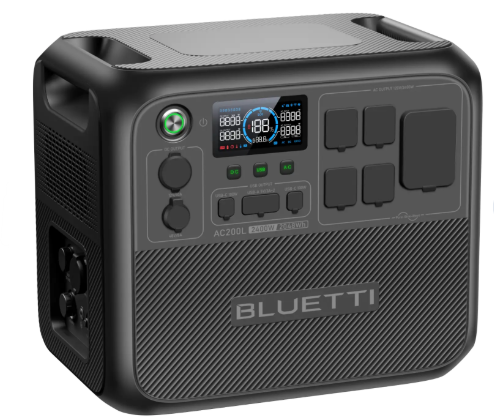
BLUETTI AC200L
2,048Wh • Surge: 4,800W
Great all-rounder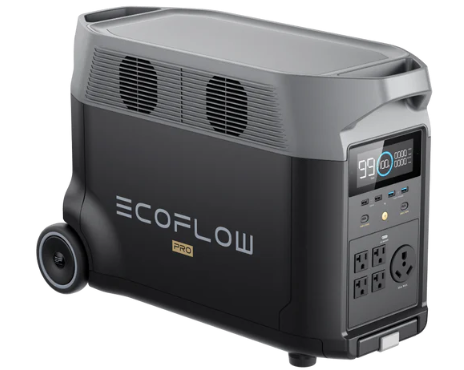
EcoFlow DELTA Pro
3,600Wh • Surge: 7,200W
Best for 3/4–1 HP pumps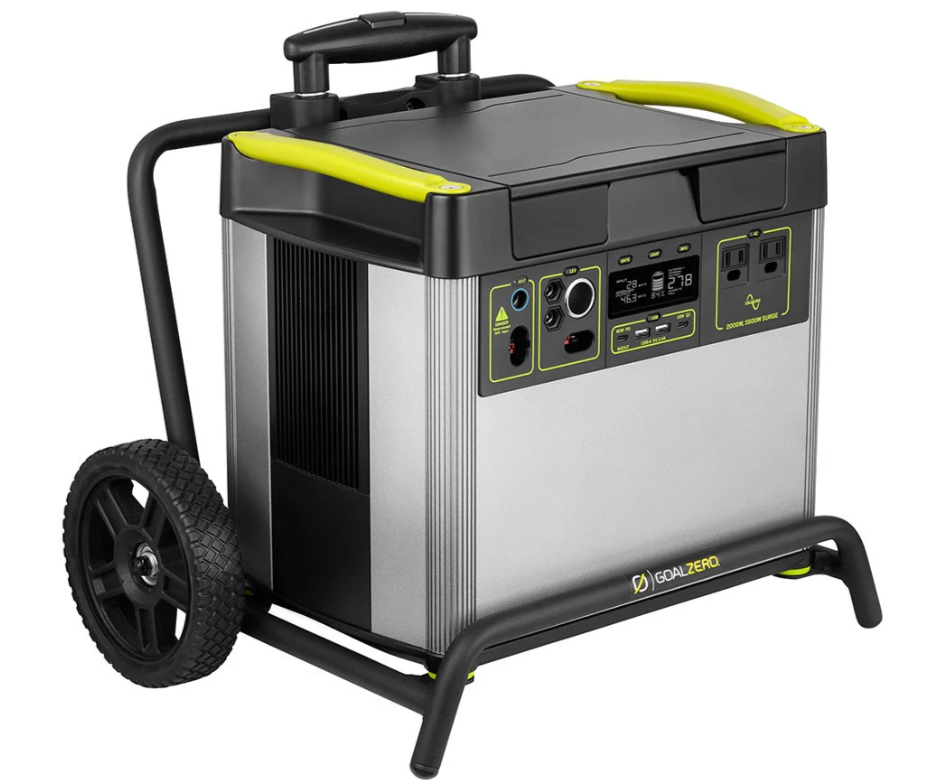
Goal Zero Yeti 3000X
2,982Wh • Surge: 5,000W
Reliable and proven6 Strategies to Maximize Your Water Supply
Smart usage can turn a few hours of battery into days of water.
Run Pump in Short Bursts
Instead of running continuously, fill a tank or containers, then shut off. A 10-minute burst fills ~80–100 gallons with a typical 1/2 HP pump.
2–3× more water per chargeUse a Pressure Tank
Most well systems already have one. The tank stores 20–40 gallons of pressurized water that's available without running the pump at all.
20–40 gallons free waterAdd a Storage Tank
A 275-gallon IBC tote or cistern lets you pump water when power is available, then gravity-feed it to the house without electricity.
Days of water reserveSolar Charging During Day
Pair your station with 200–400W of solar panels. In good sun, you can replenish 1,000–2,000Wh per day — enough for several pump cycles.
Indefinite water supplyUse a Soft Starter
A soft starter module ($50–150) reduces startup surge by 50–70%. This lets smaller power stations handle larger pumps safely.
50–70% lower surgePrioritize Water Usage
During an outage, focus on essentials: drinking, cooking, sanitation. Skip showers, laundry, and dishwasher. This cuts daily usage from 80+ to 10–15 gallons.
80% less water neededWell Pump Emergency Prep Checklist
Completed: 0/10
Frequently Asked Questions
Can a portable power station run a well pump?
What size power station do I need for a well pump?
How long will a power station run a well pump?
Will the surge from a well pump damage my power station?
Can I use solar panels to run a well pump indefinitely?
Should I get a soft starter for my well pump?
Need Help Choosing?
See our full breakdown of the best power stations for home backup.