Blackout Prep Guide

    What to Buy Before a Blackout

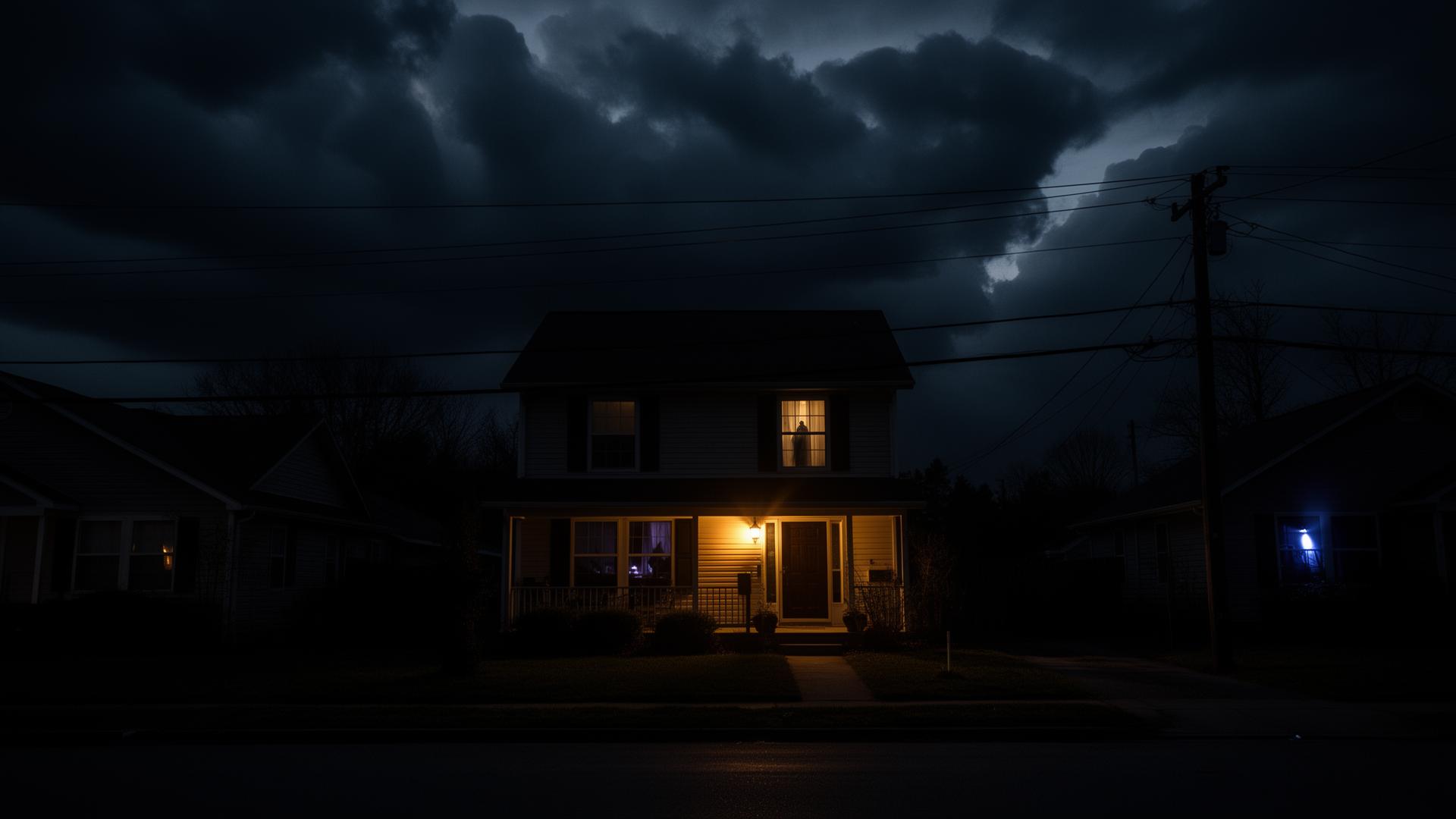
    The complete checklist — so you're the house with the lights still on.

    Found this useful?Share it or save for later
    83%
    of US outages hit without warning
    7 hrs
    average outage duration in 2025
    $1,250
    average spoiled food + hotel cost
    outage frequency increase since 2015

    The Real Cost of "I'll Deal With It Later"

    Most people don't prepare until after their first bad outage. Here's what that costs:

    $250–$500

    Average food loss per outage. A full fridge and freezer spoils in 4–8 hours.

    $150–$400/night

    Emergency hotel costs when you can't stay home. Good luck finding availability.

    $500–$2,000

    Burst pipes, sump pump failure, basement flooding. All preventable with power.

    ⚠️ Total cost of one unprepared 48-hour outage: $900–$2,900. A good prep kit costs $800–$1,500 and lasts 10+ years.

    The Complete Blackout Shopping List

    Organized by priority — buy from the top down.

    Power & Light

    Critical
    Portable power station (1,000–3,600 Wh)
    Runs fridge, lights, Wi-Fi, and phones for 8–48 hours
    Buy first
    LED lanterns (2–3)
    10× more efficient than candles, no fire risk
    Essential
    Rechargeable flashlights
    Charge from power station; last 20+ hours
    Essential
    Solar panel (100–400 W)
    Recharge your battery indefinitely during day
    High

    Water & Food

    Critical
    Water (1 gal/person/day × 3 days)
    Pumps stop, pipes freeze, taps run dry
    Buy first
    Cooler + ice packs
    Extends fridge-safe food life 24–48 hrs without power
    Essential
    Non-perishable food (72 hrs)
    Stores won't restock during widespread outage
    Essential
    Manual can opener
    Electric ones are useless; most people forget this
    Essential

    Communication

    High
    Battery-powered / hand-crank radio
    Cell towers fail after 4–8 hrs; radio doesn't
    Essential
    Portable phone charger (20,000 mAh+)
    Keeps 1 phone alive 5+ days
    Essential
    Car phone charger
    Backup when everything else is dead
    Have on hand
    Physical contact list
    Can't look up numbers when phone is dead
    Free

    Warmth & Safety

    High
    Sleeping bags rated to 20°F
    Houses hit 40°F within 8 hrs in winter
    Essential
    First aid kit + medications (7 days)
    Pharmacies close; prescriptions can't be refilled
    Essential
    Carbon monoxide detector (battery)
    #1 killer during outages from generators/heaters
    Critical
    Fire extinguisher
    Candle fires spike 300% during blackouts
    Essential

    ⚡ Blackout Runtime Calculator

    Select what you want to run. See how long your battery lasts.

    500 Wh3,600 Wh7,200 Wh
    Total Load
    245 W
    Runtime
    7.1 hrs
    With 200 W Solar
    10.6 hrs

    💰 How Much Should You Spend?

    Four readiness levels — pick the one that matches your risk and budget.

    Bare Minimum

    $150–$300

    Power bank, LED lanterns, water, radio, first aid

    Coverage:

    Phones + light for 48 hrs

    Prepared

    $800–$1,500

    1,000 Wh battery, lanterns, water, food, radio, blankets

    Coverage:

    Fridge + essentials for 24 hrs

    ⭐ Recommended

    Ready for Anything

    $2,000–$3,500

    2,000+ Wh battery, 200 W solar, full kit

    Coverage:

    Whole essentials for 48+ hrs

    ⭐ Recommended

    Fully Independent

    $4,000–$7,000

    3,600 Wh battery + expansion + 400 W solar + smart panel

    Coverage:

    Critical circuits indefinitely

    🏠 Real-World Scenarios

    Find the scenario closest to yours.

    Family of 4 — 24-hr outage

    Fridge, 5 LED lights, Wi-Fi router, 4 phone charges

    Battery needed:2,000 Wh
    Approx. cost:~$1,200
    Saves you:$400+ in food

    Winter storm — 48-hr outage

    Space heater (low), fridge, lights, phones, radio

    Battery needed:3,600 Wh + solar
    Approx. cost:~$2,800
    Saves you:$1,500+ in hotel + food

    Work-from-home — 8-hr outage

    Laptop, monitor, router, desk lamp, phone

    Battery needed:1,000 Wh
    Approx. cost:~$800
    Saves you:$300+ lost income

    Medical — any outage

    CPAP, phone, light, fridge (medications)

    Battery needed:1,500 Wh
    Approx. cost:~$1,000
    Saves you:Priceless

    Battery vs Generator vs Nothing

    The honest comparison.

    Category🔋 Battery⛽ Generator❌ Nothing
    Runtime (fridge + lights)12–48 hrs8–24 hrs*0 hrs
    Noise level0 dB (silent)65–80 dBN/A
    Indoor safe✅ Yes❌ CO riskN/A
    Fuel neededNone / solarGas (expires)N/A
    Upfront cost$800–$3,500$400–$2,000$0
    Food loss (avg outage)$0$0$250–$500
    MaintenanceNoneOil, fuel, yearly serviceN/A
    Recharge methodSolar / wall / carGas station (may be closed)N/A

    *Generator runtime depends on fuel supply and load. Gas stations may be closed during widespread outages.

    Honest Pros & Cons of Battery Backup

    Pros

    Silent operation — won't disturb you or neighbours
    Safe indoors — zero CO risk
    No fuel needed — recharge from solar, wall, or car
    Zero maintenance — charge it and forget it
    Portable — take it camping, tailgating, or to work
    Instant on — no pull-cord or warm-up
    Clean power — safe for sensitive electronics
    Qualifies for 30% federal solar tax credit

    Cons

    Higher upfront cost than basic generators
    Can't run heavy loads (central AC, well pump) for long
    Finite runtime without solar — eventually needs recharging
    Heavy units (30–80 lbs) aren't truly 'portable'
    Cold weather reduces battery efficiency 10–20%

    ✅ 16-Step Blackout Prep Checklist

    Do these when a storm warning hits — or better yet, do them today.

    1Charge all battery packs and power stations to 100%
    2Fill bathtub and containers with water
    3Move perishables to freezer (frozen food lasts longer)
    4Set fridge and freezer to coldest settings NOW
    5Locate flashlights, batteries, and lanterns
    6Fill car with gas (fuel pumps need electricity)
    7Withdraw cash (ATMs and card readers go down)
    8Charge all phones, tablets, and laptops
    9Unplug sensitive electronics (surge risk on restoration)
    10Prepare ice — fill zip bags and freeze
    11Check medications — refill if under 7 days supply
    12Download offline maps and emergency contacts
    13Test your CO detector batteries
    14Brief family on the plan and rally point
    15Move solar panel to accessible location
    16Fill prescriptions and medical device batteries

    What Prepared Homeowners Say

    "We lost power for 3 days last February. The battery station kept our fridge, lights, and phones running the entire time. Our neighbours lost $400 in food."

    Rachel M.
    Michigan

    "After the 2021 freeze, I swore never again. Bought a 2,000 Wh unit and solar panels. We've had 4 outages since — barely noticed them."

    James T.
    Texas

    "During the last hurricane, everyone on our street was in the dark. We had lights, AC fan, and hot coffee. Best purchase we ever made."

    Linda K.
    Florida

    Top Picks — Capacity at a Glance

    Jackery 1000 Plus1,264 Wh
    BLUETTI AC200L2,048 Wh
    EcoFlow DELTA 2 Max2,048 Wh
    Anker SOLIX F20002,048 Wh
    EcoFlow DELTA Pro3,600 Wh
    Goal Zero Yeti 3000X2,982 Wh

    See full reviews & pricing

    Frequently Asked Questions

    The Best Time to Prepare Was Yesterday.
    The Second Best Time Is Now.

    One $1,200 battery backup kit protects $2,900+ in losses — and lasts 10+ years. That's $0.33/day for total peace of mind.